Autonomous Vehicles Are Coming. Without Road Pricing, Gridlock Could Follow.

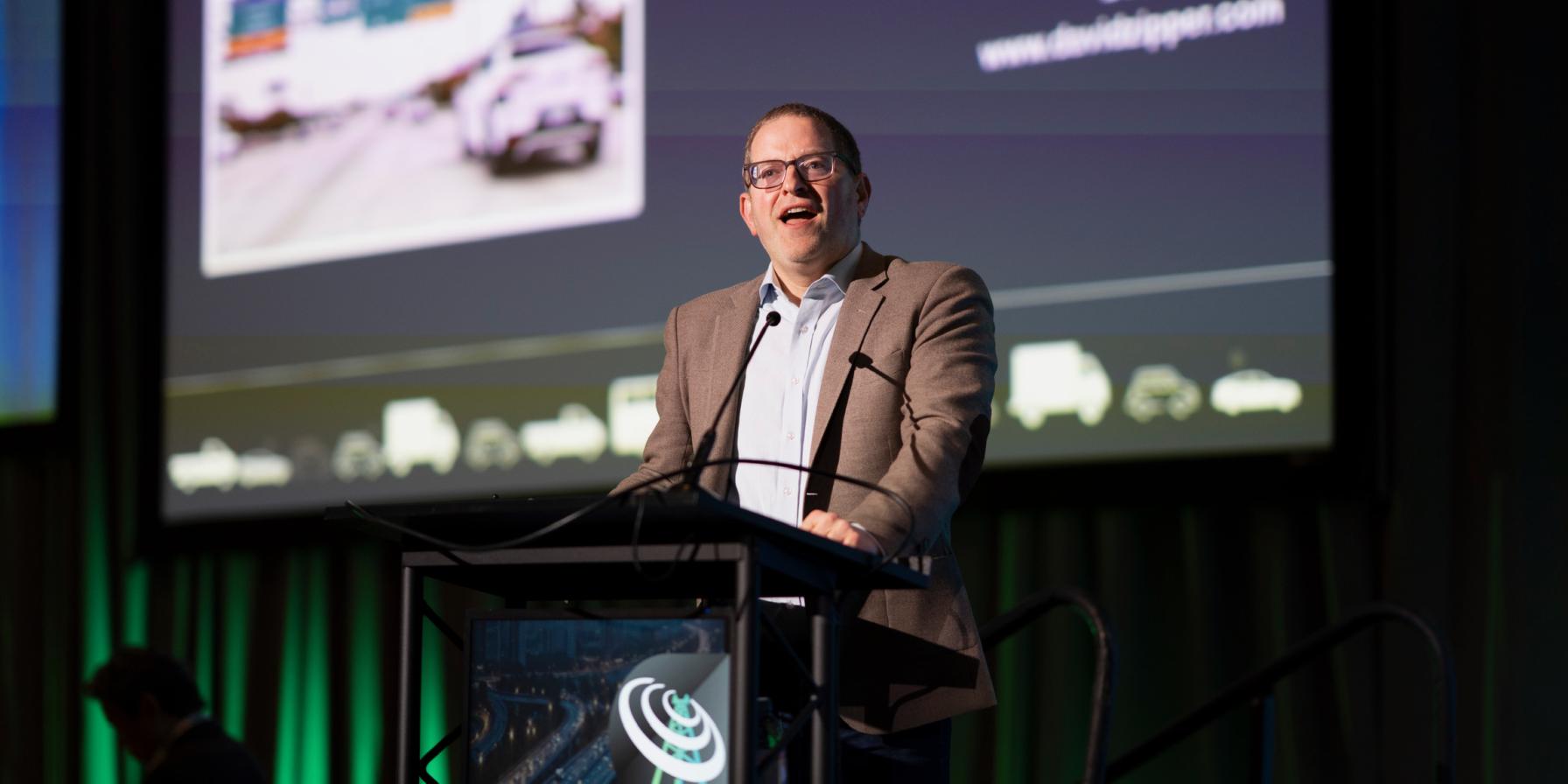
At the IBTTA Technology Summit in Orlando, I laid out a counterintuitive case: Self-driving cars—a technology designed to improve mobility—could cripple roadways with a deluge of traffic. The solution: Road pricing that ensures people and goods can still reach their desired destinations as autonomous vehicles become widespread. Here’s what I outlined:
As Robotaxis Scale, Total Driving Will Surge
Robotaxis’ convenience and privacy will compel people to take more—and longer—car trips. Some passengers will replace transit.
Then there is the issue of “deadheading,” or vehicles driving without any passengers at all. In early robotaxi deployments, deadheading has accounted for as much as half of total miles driven. As robotaxi fleets expand, these empty miles will grow, adding traffic without moving people.
Looking Ahead, Personally Owned AVs Could Further Catalyze Driving
A bigger shift could come from personally owned autonomous vehicles, which are not yet available.
Automakers and technology companies are already signaling their intent to sell AVs to consumers, and for good reason: Personal car trips outnumber ride-hailing, taxi and similar journeys by around 40:1. Research also suggests most people would prefer to own an AV rather than hail one when needed.
When a person swaps out a human-driven car for a personal one, vehicle usage could grow. Given the convenience of AVs, the person will take more car trips, and they could avoid parking fees by directing their car to circle streets until summoned. AV owners might also dispatch their vehicle as a robotaxi when they don’t need it. All of these behaviors would expand the number of cars on the road.
The U.S. Lacks the Roadway Space for an Explosion of AV-induced Driving
There simply isn’t enough space on existing roadways to absorb a surge in autonomous vehicle trips.
Congestion is already a major challenge. In 2025 the average American spent 49 hours stuck in traffic, and that number continues to rise. Expanding roadway capacity is not a viable solution in many urban areas due to cost, physical constraints and community impact.
As a result, a surge in cars on the road would inevitably thicken congestion, potentially to the point that traffic grinds to a halt. While passengers in AVs may be able to work or relax as their vehicles inch forward, those driving themselves will not have that luxury. Meanwhile, the economy will suffer from slower and less reliable freight movements (as well as a shrinkage in labor markets).
The Only Scalable Way to Prevent Gridlock: Road Pricing
As AVs increase driving demand, managing that demand will be necessary. That means road pricing.
There are several approaches:
- Pricing that scales with deadheading to discourage unnecessary miles
- Managed lanes that preserve reliable travel times, even in crowded corridors
- Urban congestion pricing in the most constrained areas
The goal is not to block innovation, but to ensure that limited roadway space is used efficiently as demand for car travel grows.
A Defining Moment
As autonomous vehicles scale, the risk to our transportation system is real. But it can be managed. Road pricing policies can ensure that people and goods continue to move efficiently, even as travel demand rises. Without them, urban roadways risk being overwhelmed.
This could be—and should be—the tolling industry’s moment.
+++
David Zipper was featured at IBTTA’s 2026 Technology Summit in Orlando, which brought together transportation leaders to explore the future of tolling, mobility and technology through discussions focused on real-world deployment, connected vehicle strategies, AI implementation and the next generation of highway pricing. Stay tuned in the coming weeks for the release of his full session recording and additional Summit content from Orlando.