Q&A with Mathieu Lisbonis, CEO of Northwest Parkway

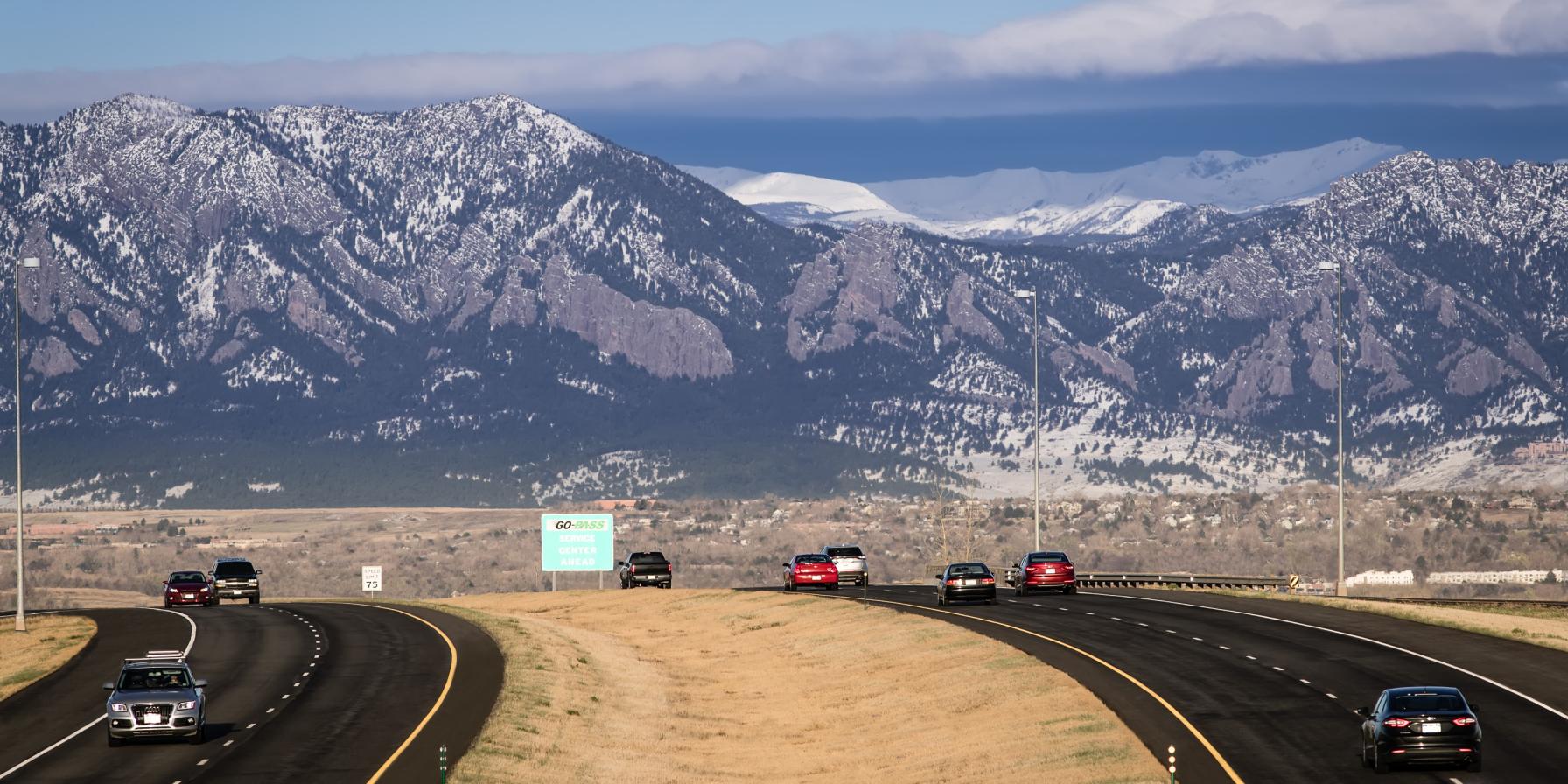
As we look back on October’s Annual Meeting & Exhibition in Denver and ahead to a winter travel season that brings heavy snow and a surge of visitors to the region, the Northwest Parkway remains a vital corridor for drivers. Following its 2024 acquisition by VINCI Concessions, this 9-mile (14 km) stretch of the Denver ring road enters a new chapter of operations and service.
In this Q&A, Northwest Parkway’s CEO Mathieu Lisbonis reflects on the transition, the road’s role in Colorado’s mobility network, and what travelers can expect in the months ahead.
What strategies guided the integration into Northwest Parkway operations, and what accomplishments stand out so far?
The acquisition of Northwest Parkway in 2024 underscores our commitment to growing for the long term in the United States. It is one of the largest acquisitions we have ever made at VINCI Highways, and it is a concession agreement with a remaining term of more than 80 years.
Integrating the Parkway into our culture and operating model was our first priority. In close cooperation with ViaPlus, VINCI Highways’ tolling subsidiary, we are improving operational performance by upgrading the tolling systems and reinforcing the end-to-end collection chain. At the same time, we accelerated investments in energy and environmental performance, building on the long-standing commitment of the Parkway and its grantors. In October 2025, we inaugurated an expansion of our solar program. 75% of our operations are now powered by solar energy, and we are preparing in the next stage to hit 100%.
Denver’s metropolitan area is growing rapidly. What do you see as the main mobility challenges for the region in the years ahead?
Denver’s rapid growth is creating real pressure on our transportation network. Congestion, capacity constraints, and the need for more reliable regional connections are only going to intensify in the years ahead. One of the biggest challenges will be ensuring that our transportation network keeps pace with development—not just in Denver’s urban core, but also in the surrounding communities that are growing just as quickly.
From the Parkway’s perspective, our role is to be more than an operator of a single corridor. It’s to be a partner in shaping a more resilient and connected mobility system. That means working with agencies, local governments, and neighboring operators like E-470 to coordinate operations today, while also looking ahead towards the development of future projects that will relieve congestion and expand regional connectivity.
A key part of that vision is the long-standing idea of completing the Denver beltway. Closing the loop would not only improve mobility across the metropolitan area, but also provide drivers with new options to bypass congestion and move more efficiently between communities.
In short, the challenge ahead is scale. But with collaboration and forward-looking partners and projects, we can meet the region’s mobility needs while supporting continued growth.
How is Northwest Parkway preparing to address these challenges, and how do you see your role in supporting local authorities in shaping the future of mobility?
We are fully aligned with local authorities in their priority of supporting the shift toward electric mobility. We have been proactive in this field, installing fast-charging stations and transitioning our own fleet to EVs.
Local authorities are also doing a great job to promote this region and develop tourism, Boulder being recently chosen as the future host city of the Sundance Film Festival is just one example. We also contribute to this work first and foremost by ensuring a positive journey for the many drivers who use the Parkway to travel to and from the airport, or to head west toward the Rockies. We have also refreshed the Parkway’s identity. With a new logo that draws on Colorado’s iconic mountains and open spaces, the Parkway’s new identity reflects its deep roots in the region and symbolizes its new momentum as part of VINCI Highways’ global network.
How are you enhancing the customer experience on Northwest Parkway?
We’ve made major strides in improving the customer experience across all aspects of the Parkway.
Customer service responsiveness has increased thanks to our tolling subsidiary, ViaPlus, which now handles tolling, billing, and image review with greater efficiency than ever before. Faster dispute resolution and more accurate billing are just a few of the tangible results of this transition. In addition, we are committed to safer, more comfortable infrastructure through enhanced operational equipment, environmental improvements, better road conditions, and cleaner surroundings.
Recognizing the growing importance of digital security, we are reinforcing our cybersecurity protections to safeguard customer data and ensure a more secure payment experience. At the same time, we are in the process of replacing and upgrading our roadside systems to improve tag reads and overall reliability.
Road safety will always be a major priority for the Parkway. We proactively raise safety awareness among drivers, participating in initiatives such as the IBTTA’s Be Safe Together global road safety campaign and VINCI Highways Safety Week to promote safe practices among both drivers and our own teams. And because winter driving conditions can be particularly challenging in Colorado, we also run dedicated campaigns each year to share practical advice and demonstrate that the safety of everyone who relies on the Parkway remains our top priority.
IBTTA stresses the importance of sharing best practices and working together as an industry. From your perspective, what value do you see in this collective approach, and how does it influence the way you manage your concession?
We are very much connected to the broader mobility ecosystem in the Denver region. For instance, we work closely with the teams at E-470 by sharing common challenges and looking for solutions together to keep the entire corridor reliable and efficient for drivers.
Another way that Northwest Parkway collaborates with E-470 is by making the customer experience as seamless as possible. Drivers with an ExpressToll tag can use it at both facilities without any extra setup, which means they can travel across the adjacent networks without worrying about multiple accounts or devices. This interoperability reduces friction, builds trust, and encourages more consistent use of both roads.
Beyond customer convenience, there is also practical coordination between the Parkway and E-470 as adjacent operators. Because the two networks physically connect at I-25, we work together on operational matters such as snowplowing and road maintenance to ensure continuity of service for drivers. This coordination helps keep the corridor safe and reliable, especially during the tough Colorado winters.
Together, these efforts demonstrate how cooperation between toll road operators not only improves efficiency for customers, but also strengthens the resiliency of the regional transportation network.
Best practice sharing is central to VINCI Highways as a global network. What we do in one concession can quickly benefit another. The biodiversity corridor we are trying to develop at the Parkway builds on experience we have already gained in Slovakia and the Czech Republic, and that we are now deploying on the Ohio River Bridges public/private partnerships (PPP) in Kentucky and Indiana.
Operating a highway under a PPP means partnership by nature. It is daily cooperation with public decision-makers to support their priorities. That is exactly how we work here in Denver, in close dialogue with our grantors. At VINCI we like to say: alone you may go faster, but together you go further.