U.S. DOT Issues 5-Year Strategic Plan (FY 2026–2030)

On April 3, 2026, the U.S. Department of Transportation (USDOT) released its Strategic Plan for Fiscal Years 2026–2030, outlining federal transportation priorities across safety, infrastructure, innovation, and efficiency. The plan serves as a high-level framework guiding policy decisions, funding priorities, and performance metrics across the Department.
At its core, the plan aims to accelerate infrastructure delivery, reduce regulatory barriers, and improve system performance, with a strong emphasis on achieving tangible results quicker.
Key Strategic Priorities
The Strategic Plan is organized around four central goals: safety, infrastructure, innovation, and efficiency. Safety remains the Department’s top priority, with continued focus on reducing roadway fatalities, improving worker safety, and expanding the use of data-driven safety management systems. Despite recent progress, roadway deaths still exceed 40,000 annually, highlighting the need for sustained investment in enforcement, infrastructure, and safety technologies.
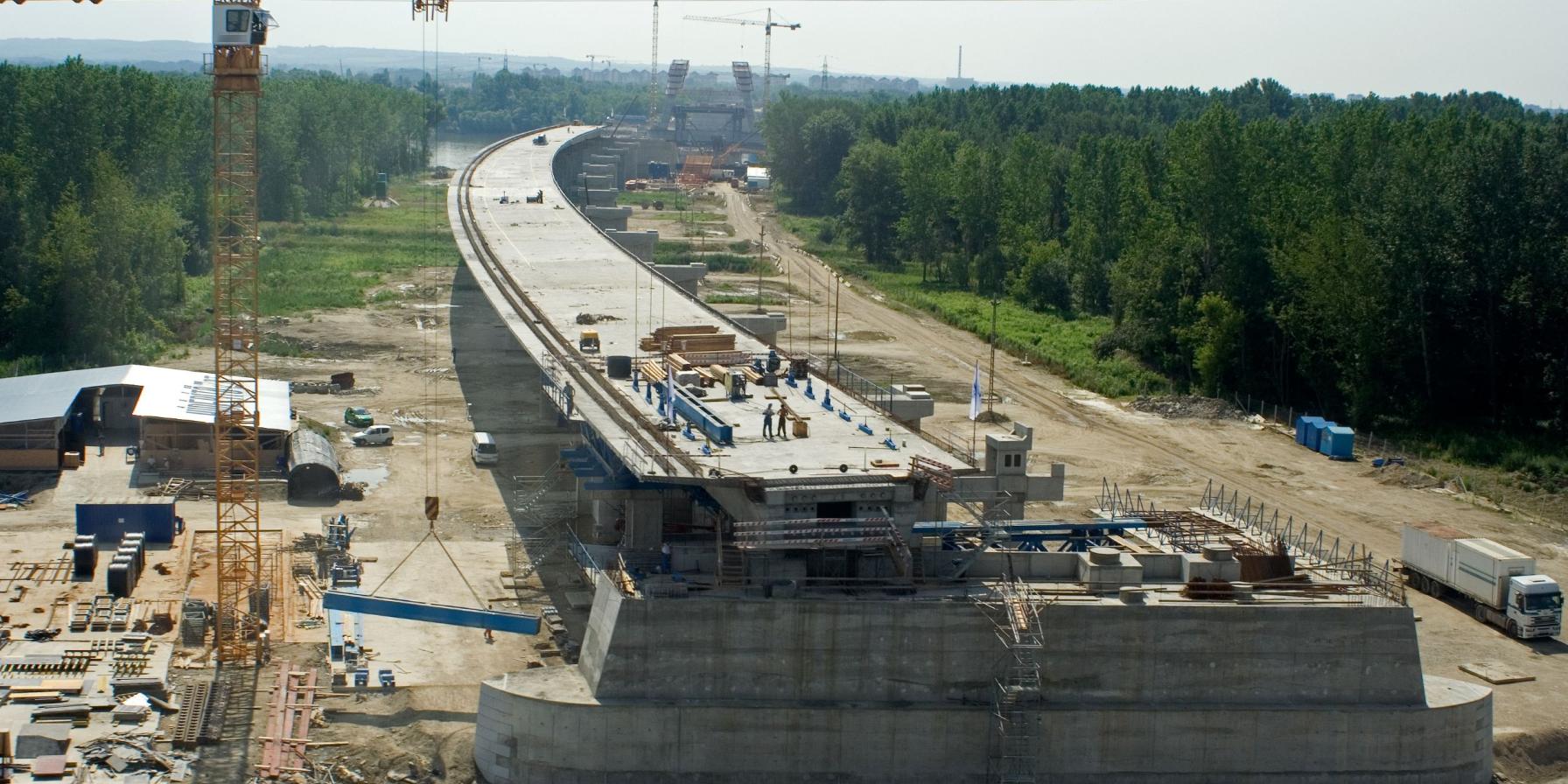
Infrastructure is a key emphasis area, particularly the need to accelerate project delivery and expand system capacity. USDOT highlights rising costs and delays as major challenges, noting that highway construction costs increased by approximately 70 percent between Q4 of 2020 and Q1 of 2024. To address this, the Department is prioritizing reforms to streamline permitting and environmental review processes while encouraging innovative financing strategies to bring projects online faster.
The plan also highlights an innovation agenda centered on reducing regulatory barriers and supporting emerging technologies such as artificial intelligence and automated vehicles. At the same time, a focus on efficiency aims to modernize USDOT’s internal operations, including improvements to grant management, IT systems, and administrative processes, all intended to reduce delays and improve accountability.
Emphasis on Speed and Regulatory Reform
A defining theme of the Strategic Plan is the prioritization of speed in infrastructure project delivery. USDOT explicitly links regulatory complexity and project delays to increased costs and diminished economic returns, framing reform as both a fiscal and operational necessity. The Department’s approach includes streamlining permitting and environmental reviews, modernizing procurement and contracting practices, and encouraging alternative financing mechanisms to accelerate timelines.
The Strategic Plan places transportation policy within the context of long-term global competitiveness, emphasizing the system’s role in supporting national productivity and sustained economic growth. The U.S. transportation network moves more than 20 billion tons of freight annually, making reliability and efficiency critical to supply chain stability.
Efforts to improve system conditions, reduce congestion, and address major freight bottlenecks are cornerstones of the Strategic Plan. By focusing on targeted investments and performance improvements, USDOT aims to enhance both mobility and economic output.
Implications for Toll Road Operators
The USDOT Strategic Plan presents a mix of opportunities and potential challenges for IBTTA members.
The plan’s emphasis on faster project delivery and streamlined permitting could significantly benefit toll facility and infrastructure projects by reducing development timelines and lowering project costs. This is particularly relevant for large-scale projects that often face lengthy environmental reviews and approval processes. In addition, USDOT’s interest in innovative financing strategies may expand opportunities for public-private partnerships, where tolling can serve as a key revenue mechanism to support infrastructure investment.
At the same time, the plan introduces some uncertainty. The focus on reducing regulatory burdens may lead to changes in federal oversight or compliance requirements, requiring operators to adapt to evolving standards. The absence of explicit support for tolling as a policy and financial tool also suggests that its role will continue to depend on state- and local-level decisions and broader federal funding dynamics. Furthermore, safety and workforce initiatives, including expanded safety management systems, may require additional investments in operations and technology, which often compete for scarce resources with routine operations, maintenance, and state-of-good-repair investment.
Evolving Priorities Require Adaptive Approaches
The FY 2026–2030 Strategic Plan outlines a philosophical shift toward efficiency, speed, and infrastructure delivery. By prioritizing streamlined processes and regulatory reform, USDOT aims to modernize the transportation system while supporting economic growth. A continued focus on emerging technologies and innovation also presents opportunities for better safety, operating efficiency, and reliability. The input provided to USDOT by industry stakeholders on a robust transportation digital infrastructure will be an essential building block for advancing well-intended objectives into impactful programs and initiatives. (See IBTTA’s input here.)
For the toll and road pricing industry, the plan establishes a framework of objectives designed to accelerate project development and leverage new financing approaches. However, it also underscores the importance of adapting to a changing policy environment, particularly as regulatory frameworks and federal priorities continue to evolve.
The USDOT Strategic Plan represents a solid outline of objectives. IBTTA stands ready to continue our longstanding partnership with the Department to shape the programs that will advance safe, reliable, and efficient transportation infrastructure and operations that support world-class mobility of people and goods. We also look forward to supporting effective information and data exchange standards and practices that will be fundamental to future transportation advances, along with the revenue programs and user fees that ensure sustainable transportation investment.